Is Ceramic Coating Worth It in Kingsport, TN? What Local Drivers Should Know
Before most Kingsport drivers book a ceramic coating, they ask us the same question: is it actually worth it? It is a fair thing to ask. Vehicles here deal with strong summer sun and humidity, heavy spring pollen, brine on the winter roads and plenty of weekend trips to the lake.
In this post, we give you a straight answer. We cover what a ceramic coating does, what it does not do, how we prepare the paint before applying one, and when the cost makes sense for your vehicle.
Is Ceramic Coating Worth It for Kingsport Drivers?
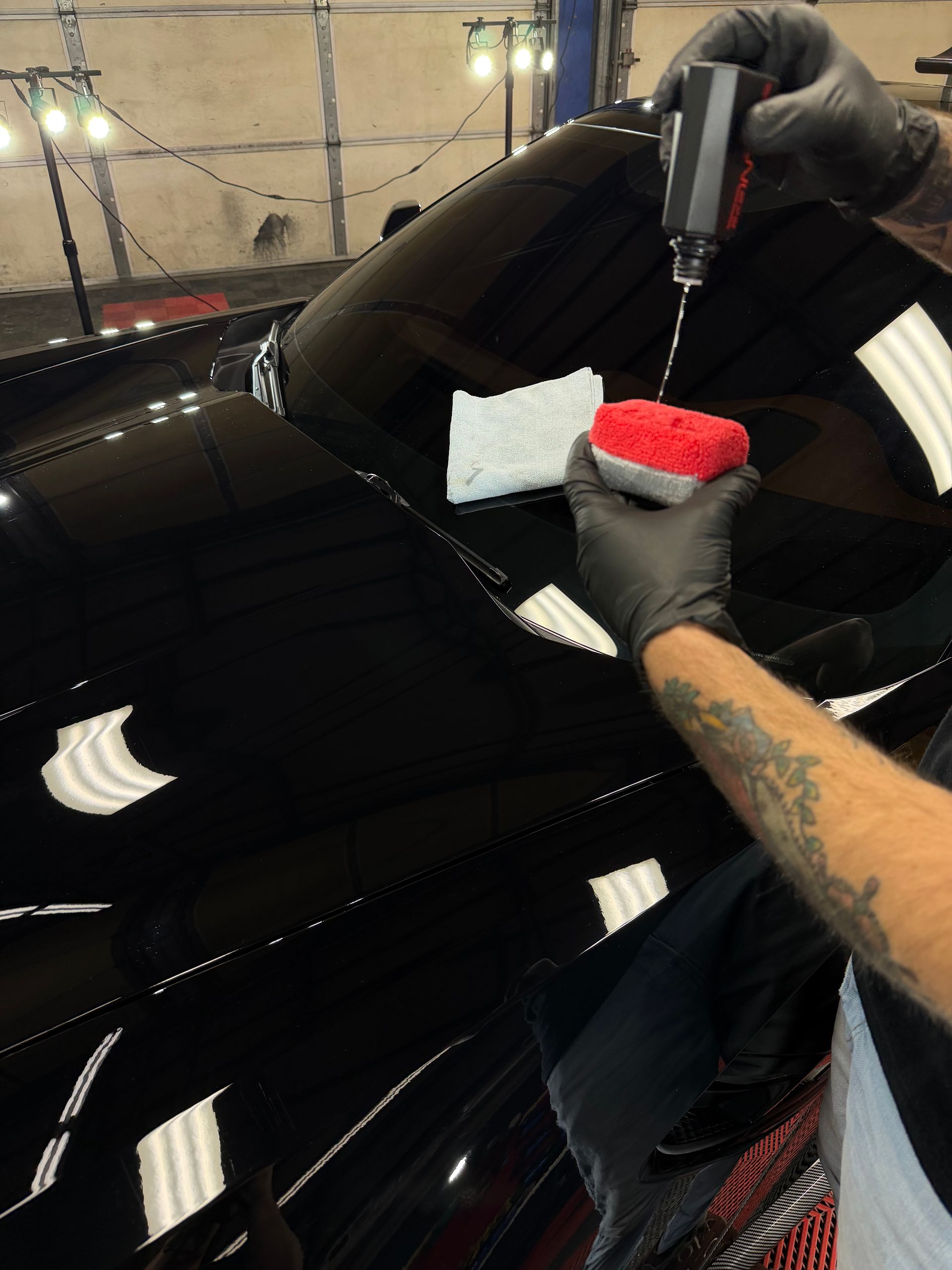
For most Kingsport drivers who plan to keep their vehicle a few years, yes. A ceramic coating makes it easier to wash off pollen, brine, and lake grime, adds gloss, and helps protect the clear coat from UV and contaminants. It does not stop rock chips, and it only performs as well as the paint correction done before it.
The owners who get the most value drive a new or well-kept vehicle, park outside, or put on regular highway miles. If you plan to sell soon, the value is lower. You can see how we handle each vehicle on our ceramic coating service page.
What Is a Ceramic Coating?
A ceramic coating is a liquid polymer, usually silica (SiO2) based, that bonds to your vehicle's clear coat and cures into a hard, clear, semi-permanent layer. Some formulas also include titanium dioxide (TiO2) for added hardness. You may also see it called a nano-ceramic coating.
Wax and sealant sit on top of the paint and wear off within weeks, so they need frequent reapplication. A ceramic coating bonds to the clear coat instead. It does not wash off. It wears down gradually, which is why it lasts much longer than wax or sealant and holds up better against harsh cleaners.
How Kingsport's Seasons Wear on Your Paint
Each season in Kingsport puts a different kind of wear on your paint, and a ceramic coating helps with each one differently.
Humid Summers and Strong UV
Strong UV exposure fades and oxidizes paint and plastic trim over time. Summer heat also bakes bird droppings, bug residue, and tree sap onto the surface, where they can etch the clear coat. A ceramic coating adds a UV-resistant sacrificial layer and keeps these contaminants from bonding as quickly. You should still wash droppings and sap off as soon as you spot them.
Spring Pollen That Settles on Paint
Spring pollen settles on every surface in East Tennessee. It mixes with dew or rain, then gets ground into the paint when you wipe it off, which leaves swirl marks. On a coated surface, pollen rinses away more easily. That means less rubbing and fewer chances to mar the finish.
Winter Road Brine on I-26 and Stone Drive
Brine on I-26 and Stone Drive leaves a film that clings to lower panels, wheels, and rocker areas. A ceramic coating helps brine and road film rinse off, but it does not make a vehicle immune. Regular winter rinses still matter, especially on the lower body and wheels.
Weekend Trips to Boone Lake and Fort Patrick Henry Lake
Lake trips bring splash, grime, and water droplets that dry into spots. Water beads and rolls off coated paint, and the spots that do form are easier to remove. Water left to dry in the sun can still spot a coated vehicle, so rinse and dry it after the trip.
What a Ceramic Coating Does for Your Vehicle
A ceramic coating makes your vehicle easier to keep clean and helps protect the finish between washes. Here is what it does:
- Easier washing: the hydrophobic surface sheds water, so dirt and pollen release with less effort and less scrubbing.
- Added gloss: it adds clear depth and shine to the paint.
- Helps protect the finish: it helps shield the clear coat from UV, bird droppings, tree sap, chemical contaminants, and light wash marring.
- Fewer reapplications: it lasts far longer than wax, so you are not reapplying protection every few weeks.
What Ceramic Coating Does Not Do
A ceramic coating has real limits, and it helps to know them before you book. Here is what it does not do:
- It does not stop rock chips. Gravel and debris on I-26 can still chip coated paint. Paint protection film [LINK: PPF service page] is the product for that. We install Opticle PPF, and some owners pair PPF on the front end with a ceramic coating over the full vehicle.
- It is not scratch-proof. It resists light marring, but not keys, deep scratches or door dings.
- It does not hide existing defects. A coating can make swirl marks more visible if the paint is not corrected first.
- It does not replace washing. You still need to wash the vehicle. It just takes less time and effort.
- It does not fully stop water spots or road brine. It reduces them and makes cleanup easier.
Why We Do Paint Correction Before Applying a Coating
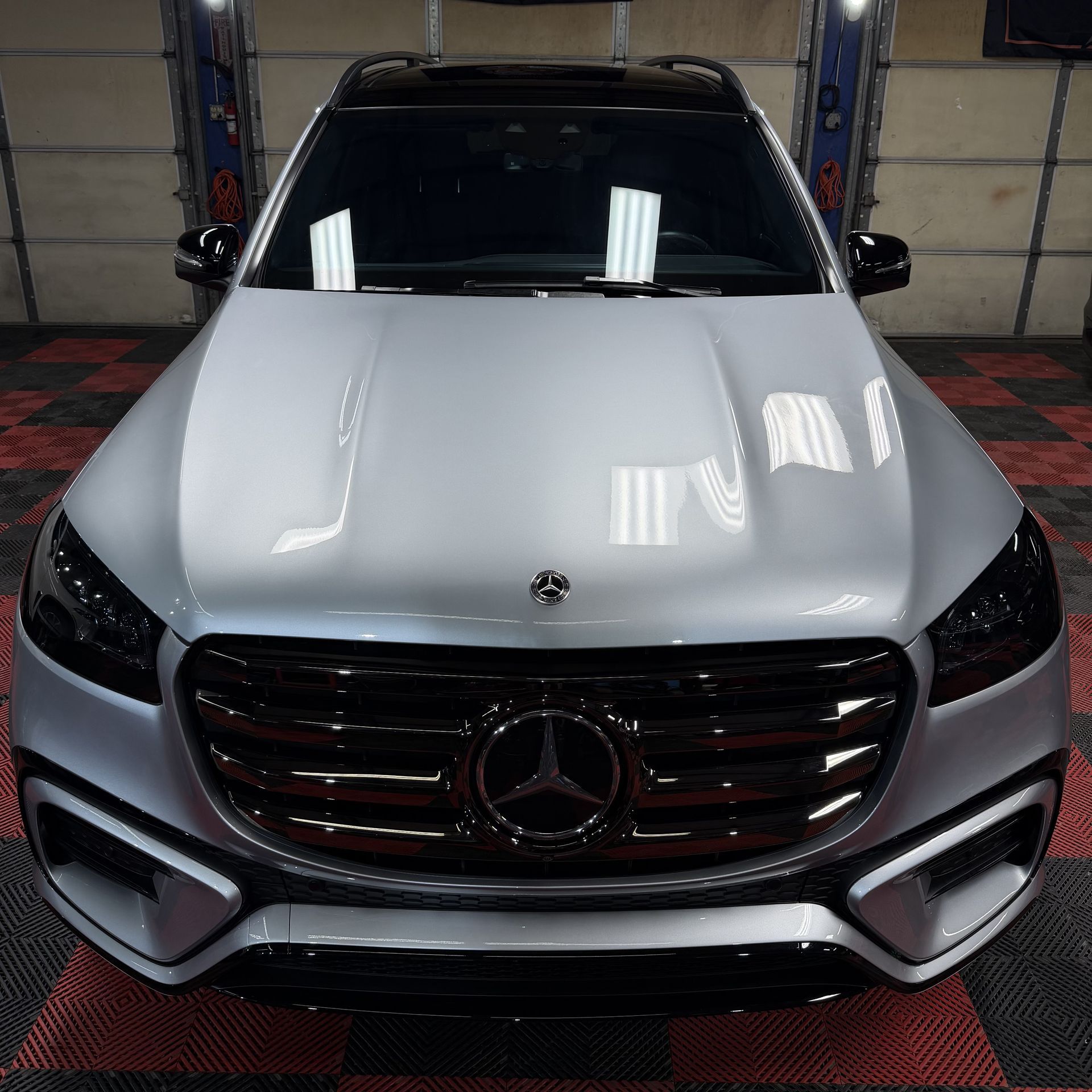
A ceramic coating locks in the condition of the paint under it, so the paint has to be clean and corrected before the coating goes on. Any swirls or scratches left behind get sealed in.
Here is how we prepare a vehicle:
- Thorough hand wash to remove loose dirt and grime.
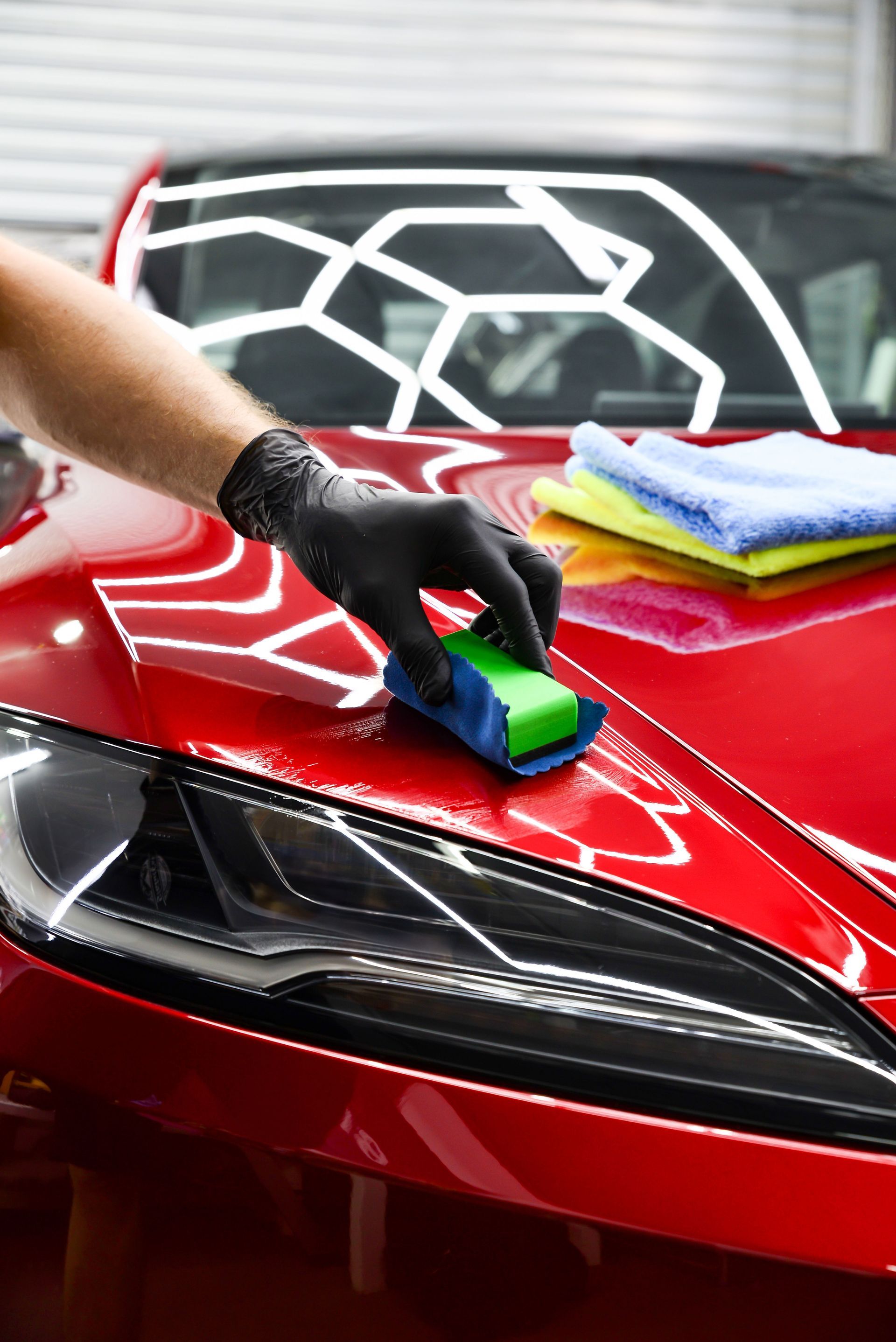
- Decontamination with iron remover, tar remover, and a clay bar to pull out bonded contaminants.
- Paint inspection under lighting to find swirls, scratches, and oxidation.
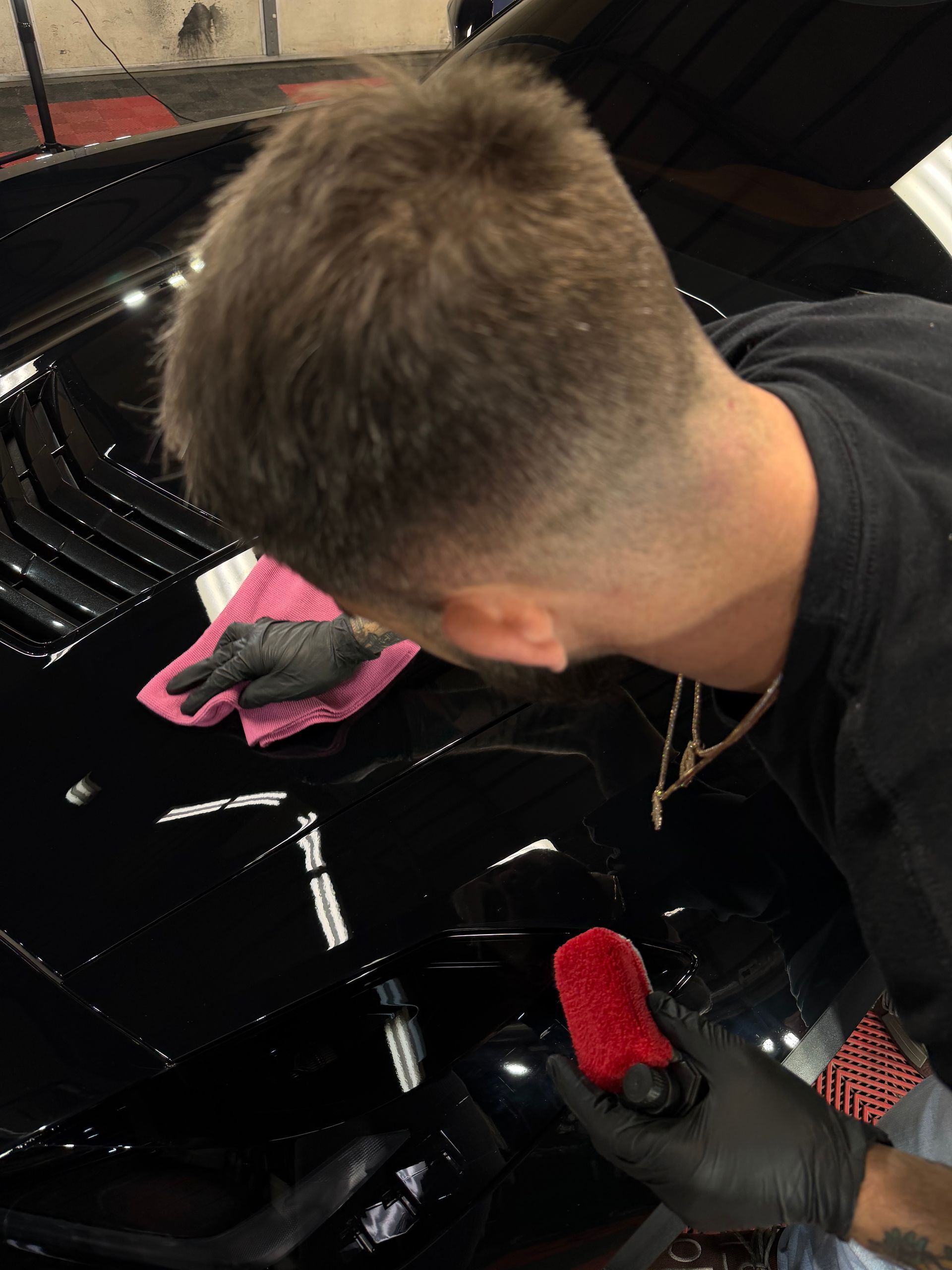
- Paint correction by machine polishing to remove swirl marks, light scratches, oxidation, and water spot etching.
- Panel wipes to remove polishing oils so the coating bonds to the clear coat.
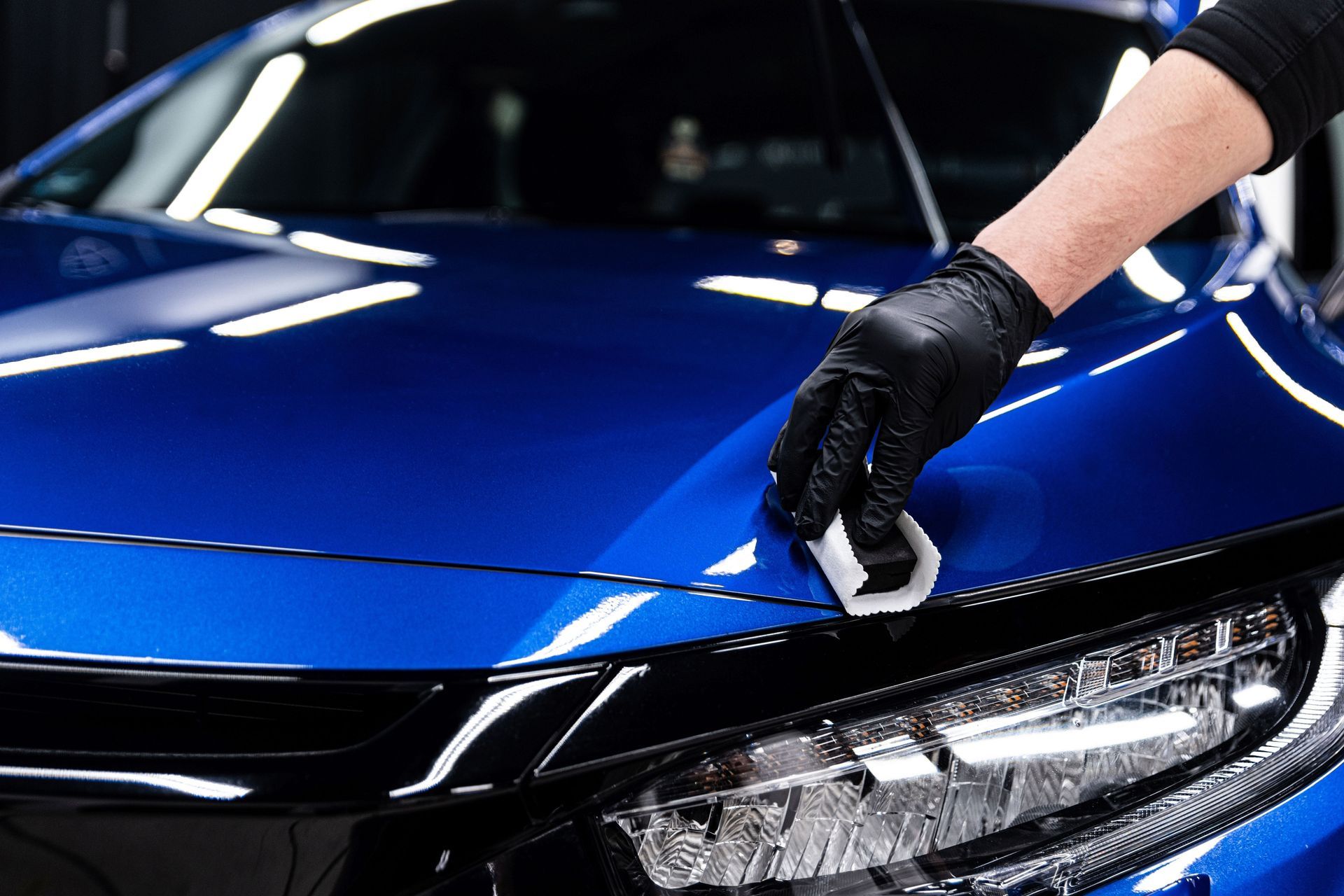
- Coating application, panel by panel.
- Curing, so the coating can harden.
The level of correction depends on the condition of your paint, which is why we inspect every vehicle first. You can learn more about our paint correction.
When Ceramic Coating Is Worth It, and When It May Not Be
A ceramic coating is worth it when you plan to keep the vehicle and want easier upkeep. It may not be the right choice in a few situations.
It is worth it when:
- You plan to keep the vehicle for a few years.
- The vehicle is new, or the paint is in good shape or will be corrected first.
- It is parked outside, sees daily highway miles, or makes regular lake trips.
- You want easier upkeep and lasting gloss.
- It is a darker color, where swirls and fading show more.
It may not be the best fit when:
- The paint is failing, peeling, or too oxidized to correct.
- You plan to sell the vehicle soon.
- Rock chips are your main concern. Paint protection film is the better fit.
Caring for a Coated Vehicle in East Tennessee
A coated vehicle still needs regular washing, and the right routine keeps the coating performing longer.
- Wash every couple of weeks, and more often during pollen season and brine season.
- Use a pH-neutral or coating-safe car shampoo, the two-bucket method, and clean microfiber towels.
- Avoid brush-style automatic car washes.
- Rinse the lower panels and wheels after driving on brined roads.
- Rinse and dry the vehicle after lake trips instead of letting water dry in the sun.
- Use a ceramic booster or topper as recommended.
How long a coating lasts depends more on climate, mileage, and washing habits than on time alone. For the full picture, see our post on how long ceramic coating lasts in Kingsport.
Certified Ceramic Coating at Our Fort Henry Drive Shop in Kingsport
Ideal Auto Detail is certified in ceramic coating and paint correction. We inspect your paint, correct it, and apply the coating at our shop at 2559 Fort Henry Drive, Kingsport, TN 37664.
We serve drivers across the Tri-Cities, including Kingsport, Johnson City, and Bristol. If you are closer to Johnson City, see our page on ceramic coating in Johnson City. For owners who also want rock chip protection, we install Opticle paint protection film.
To book certified ceramic coating in Kingsport, call us at (423) 863-8382 or book through our website. We are open Monday to Friday, 8 AM to 5 PM, and Saturday by appointment.
Frequently Asked Questions
Does ceramic coating protect against rock chips?
No. A ceramic coating does not protect against rock chips. It helps with UV, contaminants, and light marring, but gravel and road debris can still chip the paint. Paint protection film is made for impact protection. Many owners put PPF on the front end and a ceramic coating over the rest of the vehicle.
Do I still need to wash my car after ceramic coating?
Yes. You still need to wash a coated vehicle, but washing is faster and easier. Dirt, pollen, and road film release from the slick surface with less scrubbing. Use a pH-neutral or coating-safe shampoo, clean microfiber towels, and a hand wash instead of a brush-style automatic car wash.
Will ceramic coating stop water spots from Boone Lake or Fort Patrick Henry Lake trips?
It reduces them and makes them easier to remove, but it does not stop them completely. Water beads and rolls off coated paint, so less of it sits and dries on the surface. Water left to dry in the sun can still leave spots, so rinse and dry your vehicle after a lake trip.
Why do you polish the paint before applying a coating?
We polish the paint first because a ceramic coating seals in whatever is under it. If swirls, light scratches, or oxidation stay on the paint, the coating locks them in and can make them more visible. Paint correction removes those defects so the coating bonds to a clean, smooth clear coat.
Is ceramic coating good for winter driving on brined roads?
Yes, it helps. A ceramic coating makes brine and road film easier to rinse off the paint, lower panels, and wheels. It does not make a vehicle immune to brine, so regular winter rinses still matter. Pay extra attention to the lower body and wheels after driving on treated roads like I-26.